
The Future of HR Starts Here
Inspiring the next generation of


Fast-track your career with The Future of HR Podcast
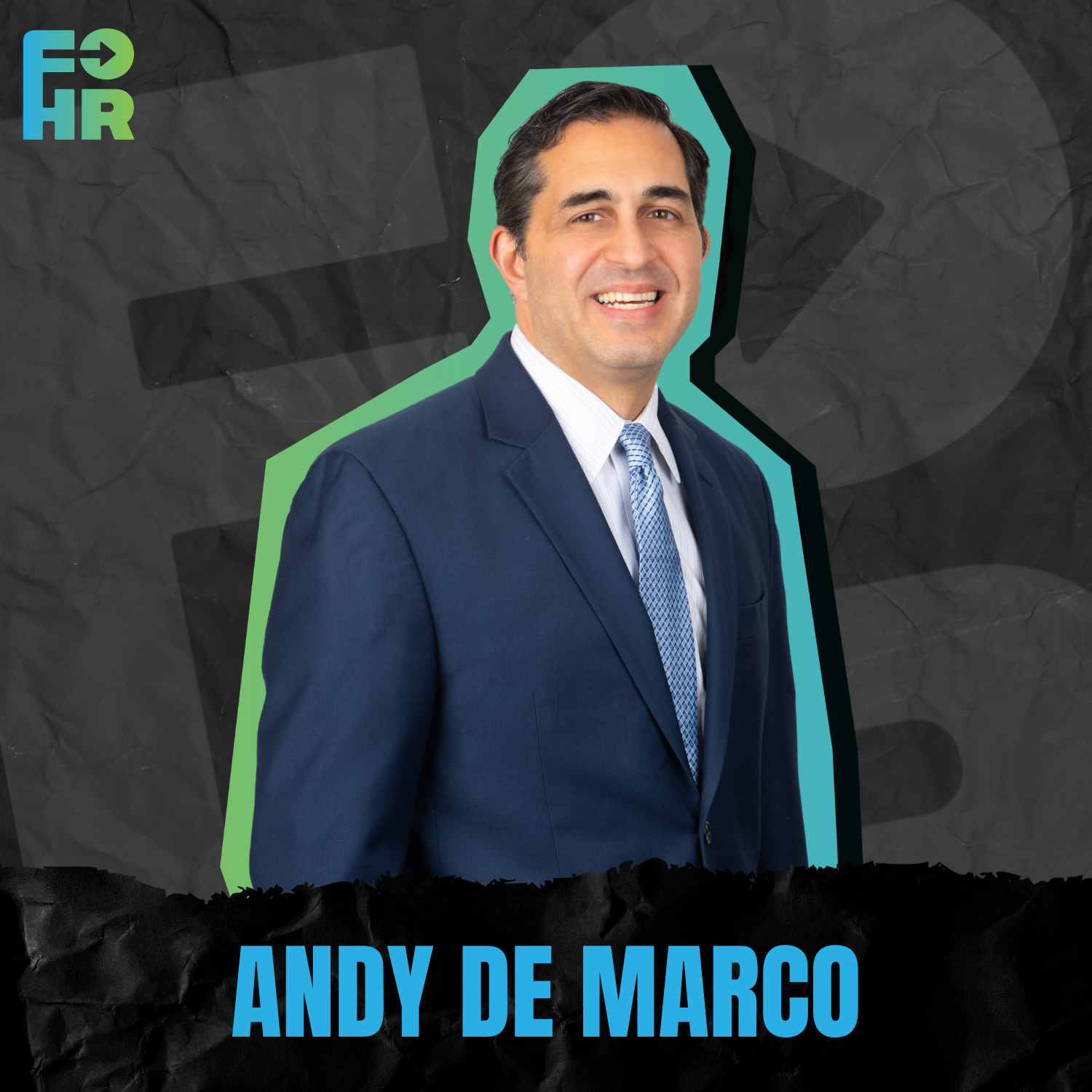
How can you drive a high performance culture with four simple questions? Why is great execution more valuable than strategy? My guest on this episode is Andy De Marco, CHRO, Fujitsu, Americas Region During our conversation Andy and I discuss: Why the best HR leaders focus on adding value in every interaction. How Fujitsu drives a high performance culture with four simple questions. Why execution is scarcer and more valuable than strategy. Why a stable strategy frees the capacity execution requires. What capabilities and skills best position HR leaders for the future.

209
ep.
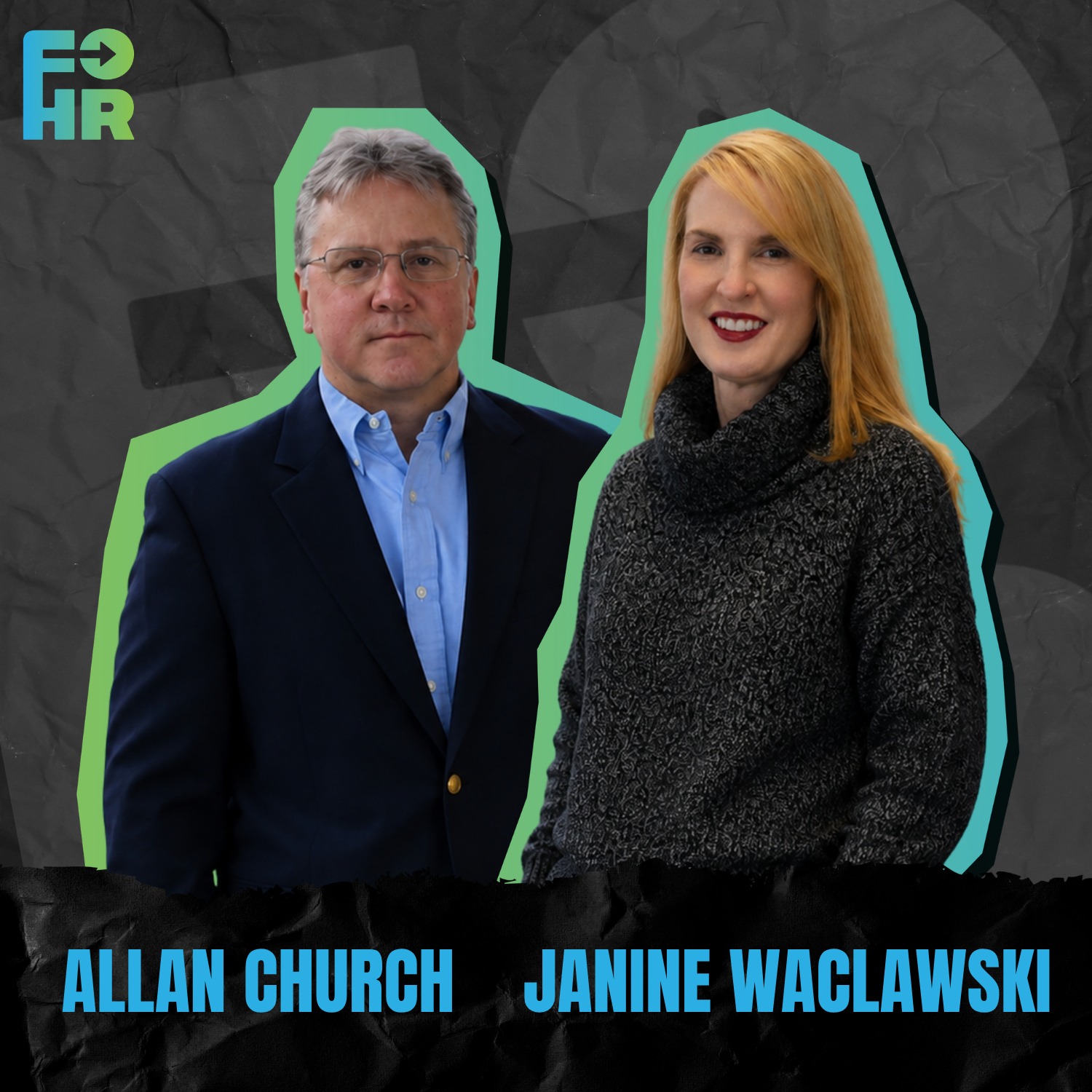
How can you “chase the butterflies” and take the stretch assignment that scares you? Why do the best HR leaders learn to “porpoise” and flex between strategy and execution? My guest on this episode is Allan Church & Janine Waclawski, Co-Founders and Managing Partners, Maestro Consulting LLC During our conversation Allan, Janine, and I discuss: Why you should never say no to a job you haven’t been offered. How “meeting the client where they are” is the foundation of every HR relationship. What it means to “porpoise” flexing between strategy and execution. How “chasing the butterflies” unlocks your biggest growth. How you can learn from every boss, even the ones you don’t like.
208
ep.
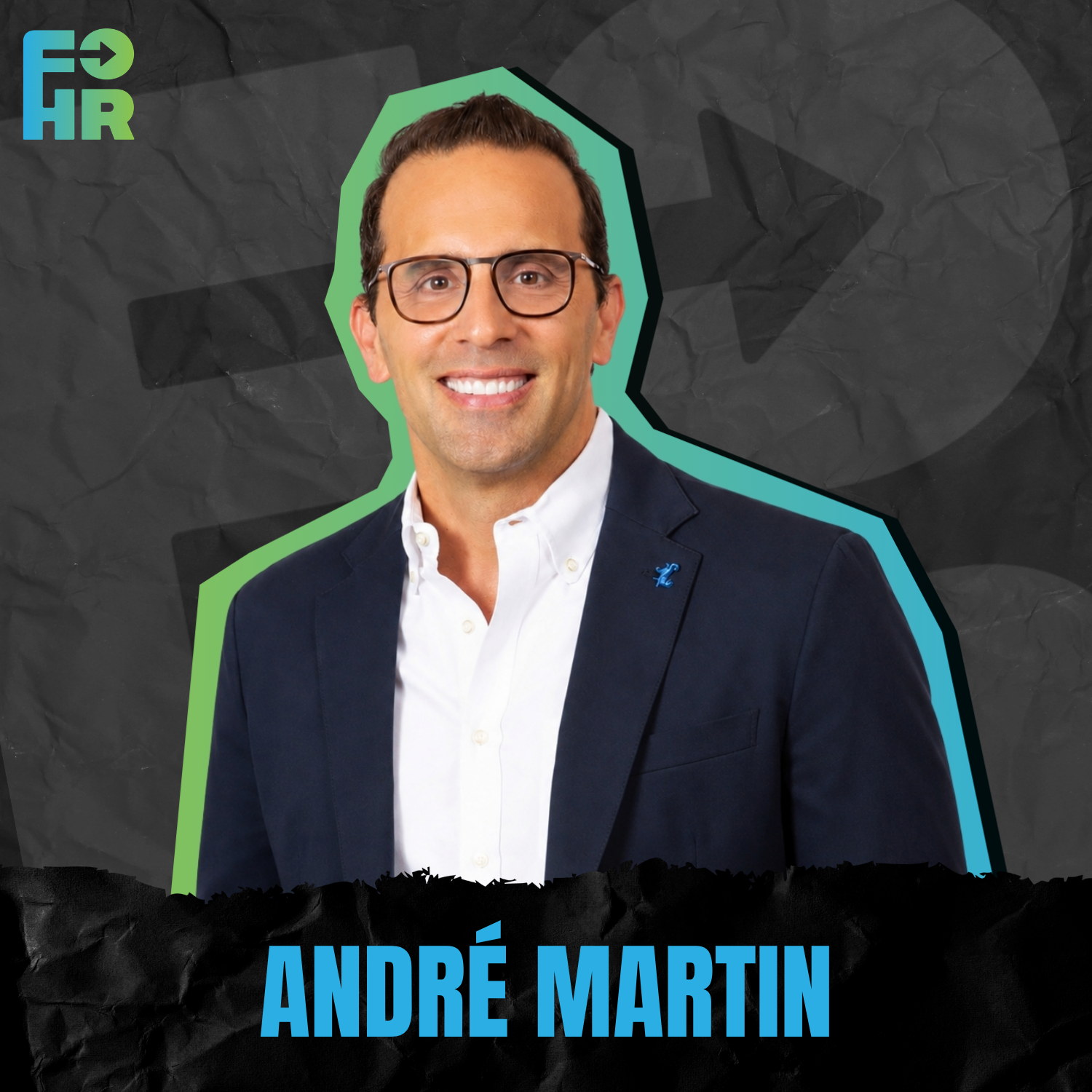
How can you build teams that have collective confidence? Why does belief matter when it comes to building high performance teams? My guest on this episode is André Martin, Chief Experience Officer at LEAD3R, author of Wrong Fit, Right Fit and Collective Confidence During our conversation André and I discuss: Why capable executive teams play small, even when they should be playing big. How collective confidence drives performance, especially as complexity rises. How the best leaders make belief-building a daily practice. How early, low-stakes wins create confidence and contribution from day one. How high-performing teams surface problems and turn failure into learning.
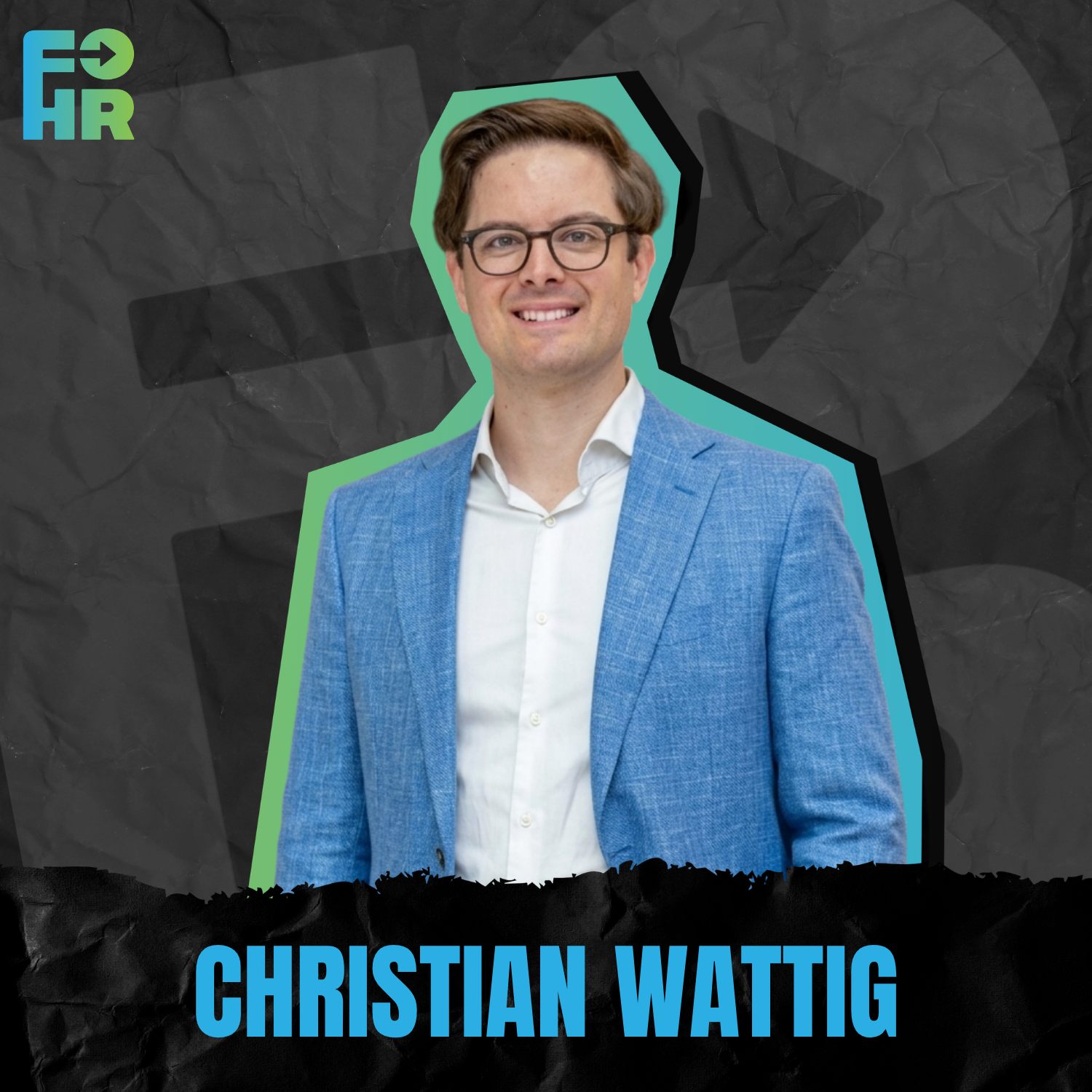
How can HR and Finance build the business together? Why can't finance achieve true value creation without HR's knowledge and expertise? My guest on this episode is Christian Wattig, Director of the Wharton FP&A Program and Founder of Inside FP&A During our conversation Christian and I discuss: Why the scorekeeper mindset keeps finance and HR stuck in the back office How challenging assumptions helps leaders think rather than just slowing them down The four stages of finance maturity, from data to proactive value creation, and how the same model maps onto HR How to forecast humans, agents, and gig workers together, and why tokens are only about a third of AI's true cost Why ROI is the wrong tool for many HR programs and what to do instead

How can you build business acumen without owning a P&L? Why is developing your business acumen within your control? My guest on this episode is Rose Velez-Smith, CHRO, DoubleVerify During our conversation Rose and I discuss: Why stepping out of HR to be in the business can be the single best thing you do for your career. How to start every executive conversation with business priorities first, then ask what talent outcomes are needed to enable them. Why talent doesn't exist separate from business strategy. How to choose your next role by evaluating who you'll become because of it. Why AI reshapes work rather than replacing it, and why in the future we will design jobs around judgment, creativity, and relationships.
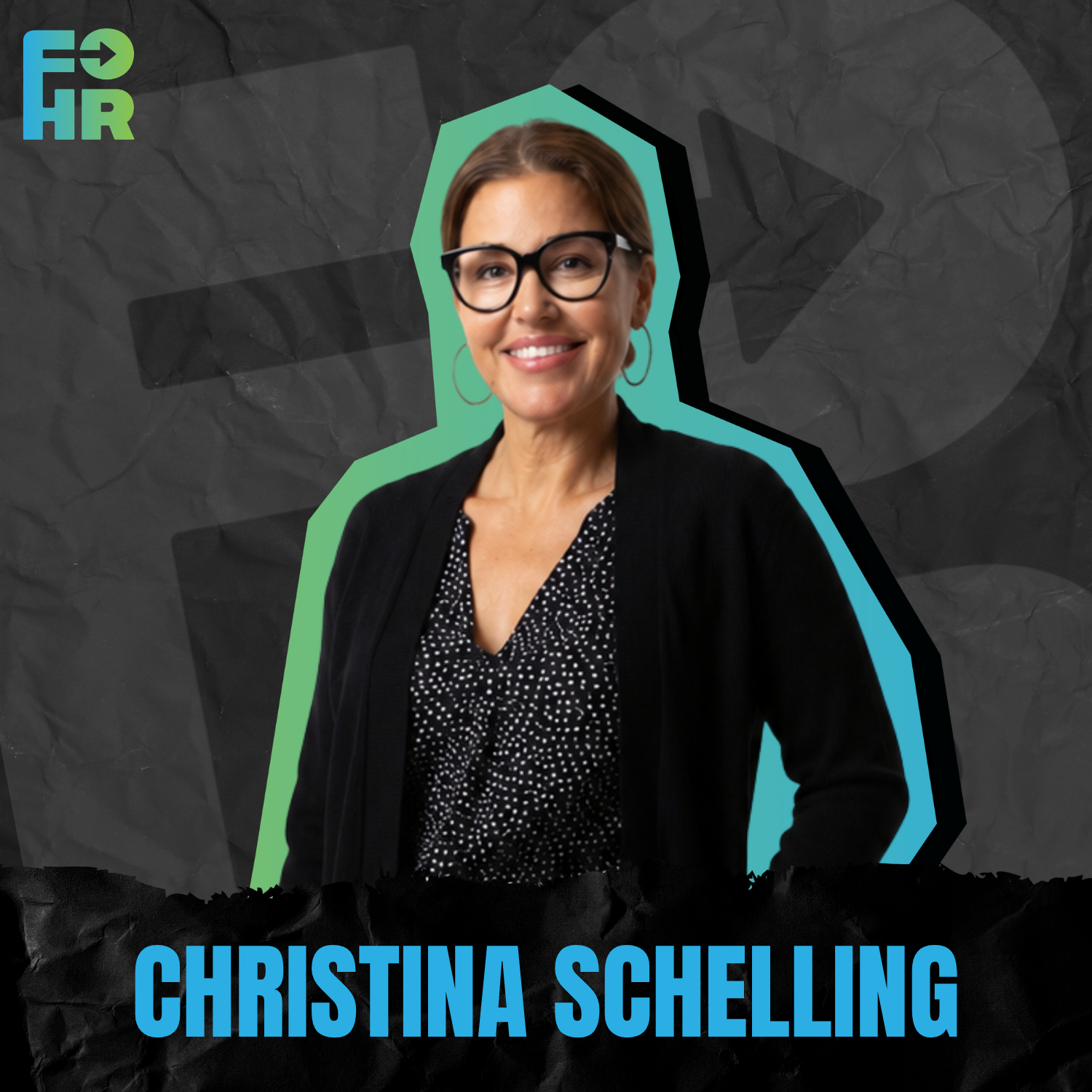
How can you create an HR Business Partner Center of Excellence? Why does HR need to shift from owning programs to owning business outcomes? My guest on this episode is Christina Schelling, SVP, Human Resources - Head of Talent & HR Business Partners, Verizon During our conversation Christina and I discuss: Why naming the HRBP group a Center of Excellence gives partners community, shared goals, and focused development. How the HR business partner role is evolving to be more strategic. How Verizon defined HRBP success with four shared metrics aligned to their strategy. Why HRBPs don't need to be experts in everything, and how COE partners make them stronger. How Verizon partnered with their HR tech vendors co-create innovative AI talent solutions.

204
ep.
Why is the single biggest barrier to having power…ourselves? How can you, as an HR professional step into your power? My guest on this episode is Jeffrey Pfeffer, Professor of Organizational Behavior at the Graduate School of Business, Stanford University and Author of 16 books including his latest one the “7 Rules of Power”: During our conversation Jeffrey and I discuss: Why he believes the single biggest barrier to having power is ourselves Why it is important that we own and tell our story, not let others tell it for us Why he believes that being authentic and/or modest is terrible leadership advice Why networking is a super power and how to do it well Why he believes HR needs to raise the bar and step into their power His advice on how to deal with difficult leaders in positions of power
203
ep.
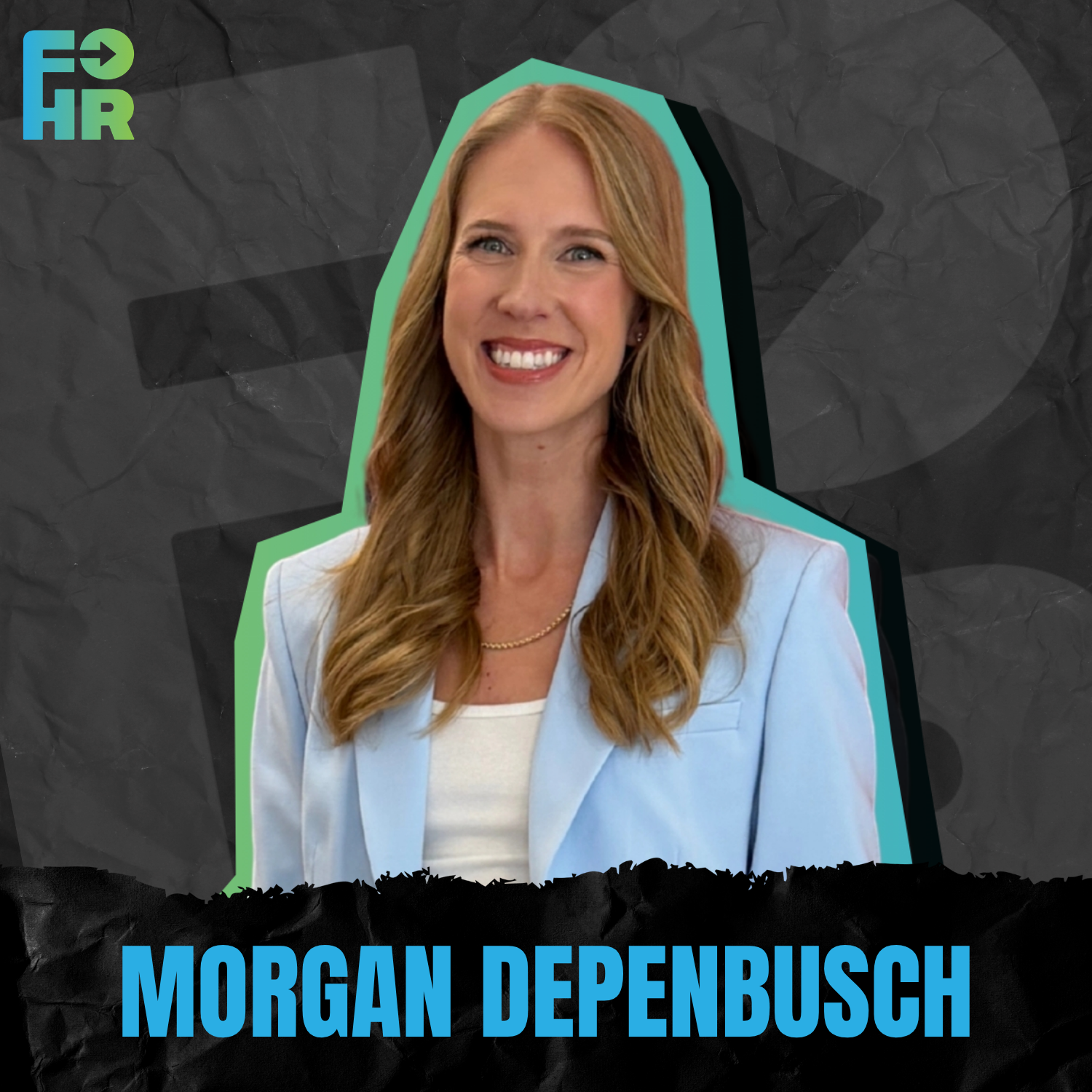
How can you turn HR data into insights that drive decisions? Why do leaders make decisions based on their experience and instinct, not just data? My guest on this episode is Morgan Depenbusch, Data Storytelling & Influence Expert During our conversation Morgan and I discuss: How to tell what data is interesting from what data is decision relevant Why one reason to say no can beat twenty reasons to say yes Why you should see yourself as the guide and the leader as the hero How to surface a leader's real objection before the meeting and name it first Why AI gives HR more dashboards and signals but not more influence
202
ep.
How can HR transform meetings into a competitive advantage? Why is the one-on-one the one meeting that leaders should never cancel? My guest on this episode is Steven Rogelberg, author of “The Surprising Science of Meetings” and “Glad We Met: The Art & Science of 1:1 Meetings” During our conversation Steven and I discuss: Why a world without meetings is worse than a world with them Why the person who called the meeting is usually the only one who thinks it went well. Why measurement is the missing piece as engagement surveys almost never ask about meetings. Why framing your agenda as questions to be answered clarifies who to invite, what success looks like, and whether you even need to meet. Why the one-on-one belongs to the employee, not the manager
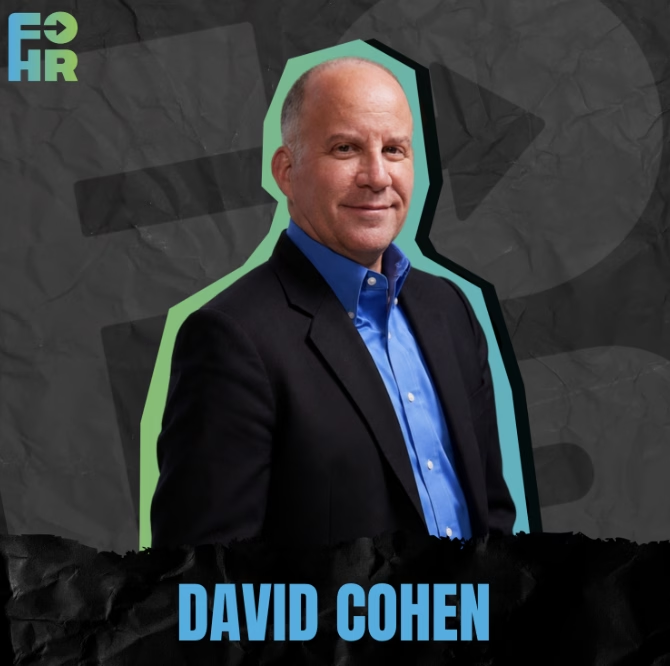
How does human capital create value in private equity? What does it take to be a successful HR leader in private equity? My guest on this episode is David Cohen, Partner, Human Capital at Kelso During our conversation David and I discuss: Why the role of the human capital partner in private equity is to unlock value through people, not to run HR for the firm itself. What is takes to be successful as a CHRO in a private equity backed company. Why human capital value creation comes down to org design, the right people in the right seats, and senior team performance. How the "bullseye" model helps identify the right senior leader for a PE-backed company. Why breadth of experience matters more than titles in your 20s and 30s.
Listen on your favorite podcast app
















Future of HR © 2025
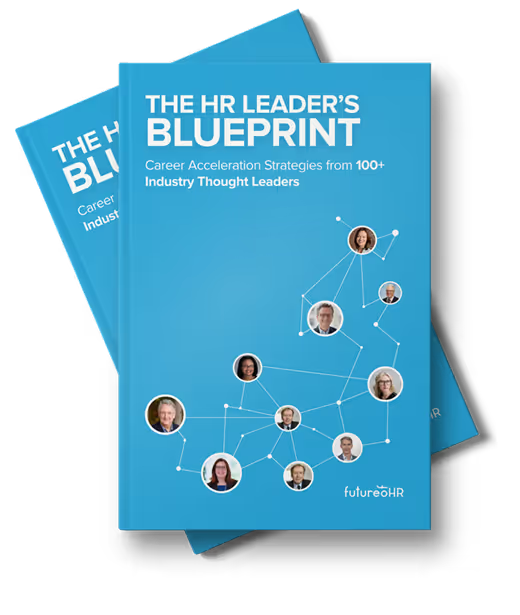
The HR Leader’s Blueprint
Fast track your HR leadership journey
18 pages of real-world advice from 100+ HR thought leaders.
This guide delivers exactly what you need to know about building influence, driving business results, and accelerating your HR leadership career.
