
The Future of HR Starts Here
Inspiring the next generation of


Fast-track your career with The Future of HR Podcast
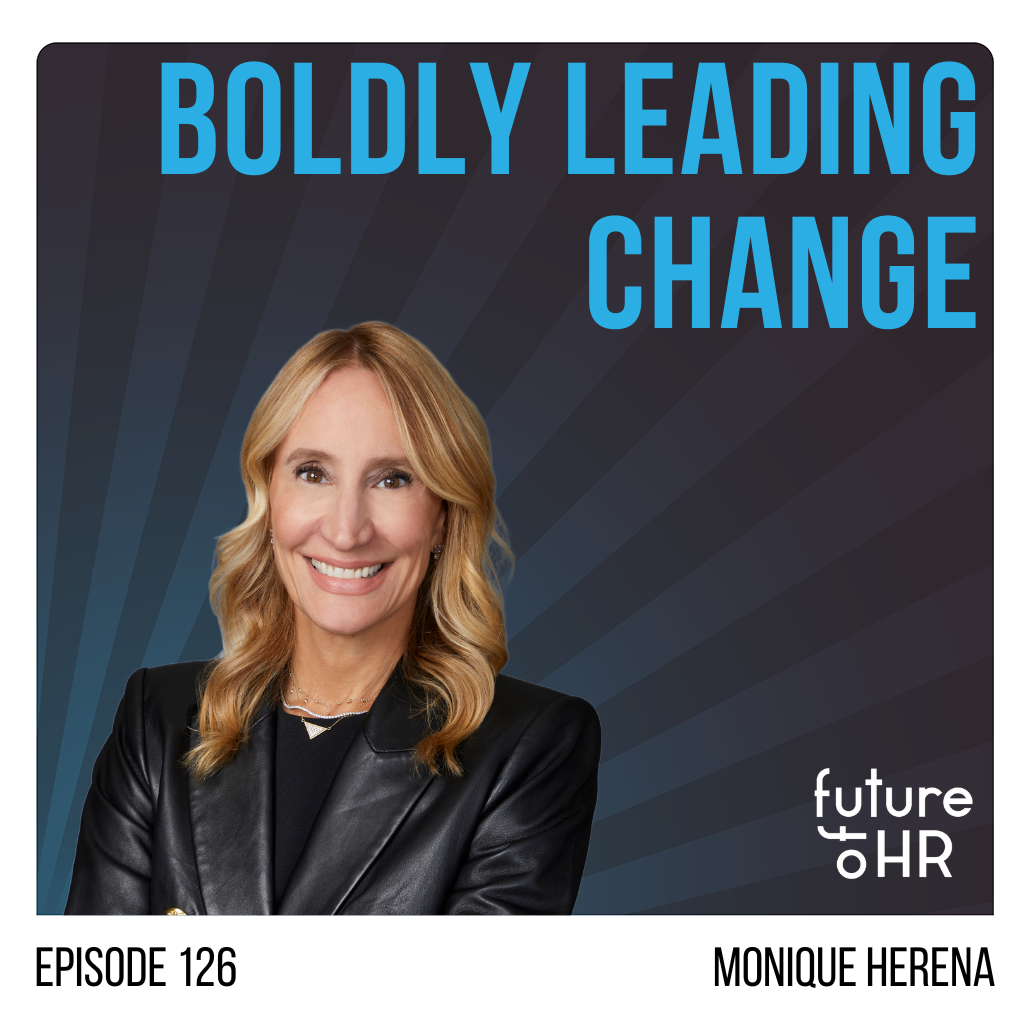
How can you create a culture that embraces change? Why is it critical to build leaders at levels of your organization? My guest on this episode is Monique Herena, Chief Colleague Experience Officer at American Express. During our conversation Monique and I discuss: Monique's philosophy on taking career leaps and the importance of stepping out of your comfort zone.Why American Express refers to their team members as colleagues and invests in improving the “colleague experience” each and every day.Why their framework for winning is the north star for their business strategy and cultureHow American Express is building enterprise leaders at all levels of the organization.Why next-gen HR leaders should embrace change and adopt a mindset of continuous learning and improvement. Connecting with Monique: Connect with Monique Herena on LinkedIn Episode Sponsor: Next-Gen HR Accelerator - Learn more about this best-in-class leadership development program for next-gen HR leaders HR Leader’s Blueprint - 18 pages of real-world advice from 100+ HR thought leaders. Simple, actionable, and proven strategies to advance your career.

125
ep.
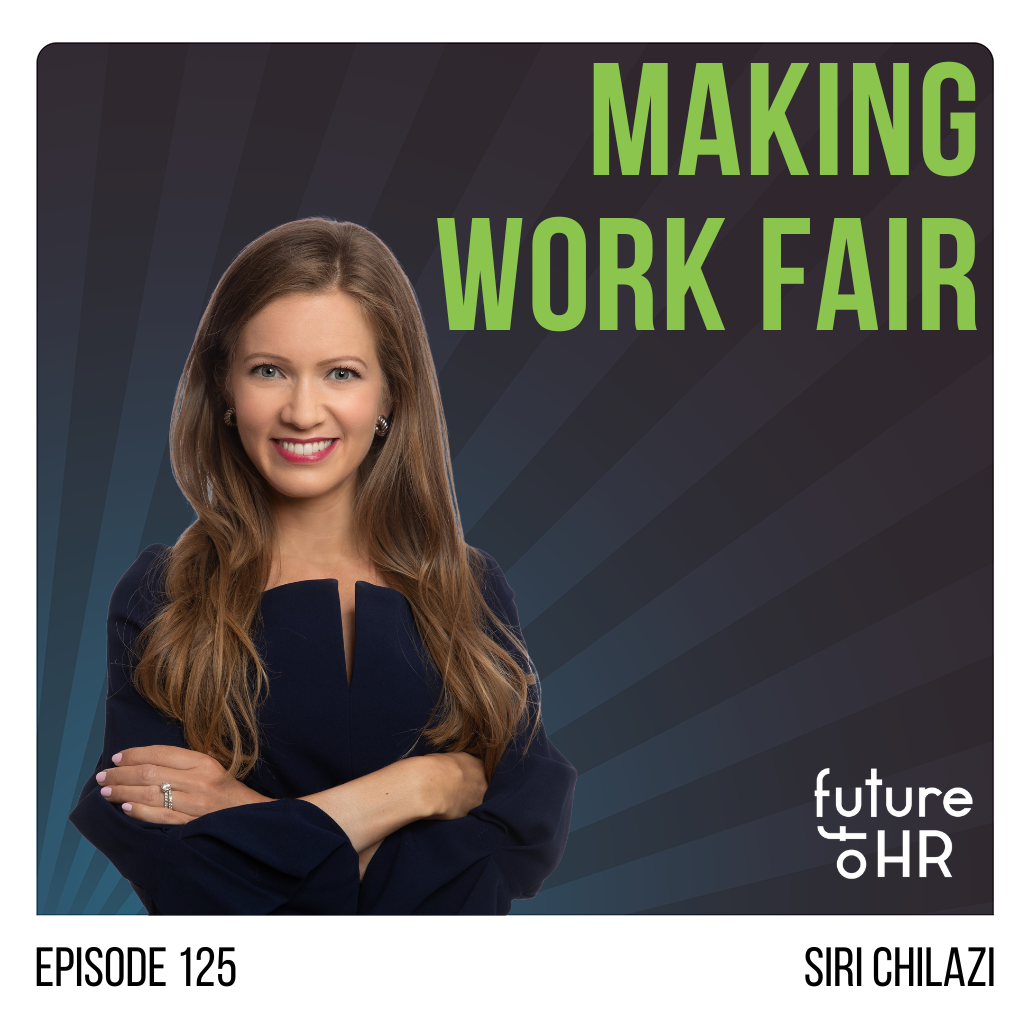
How can we make work more fair? Why should fairness be embedded in all core HR processes? My guest on this episode is Siri Chilazi, Leading Gender Equality & DEI Researcher, Co-Author of 'Make Work Fair’ During our conversation Siri and I discuss: Why fairness in the workplace creates better outcomes for both the organization and the individual.Why it's more effective to focus on changing behaviors and systems rather than attempting to debias people.Why fairness is a collective responsibility, not just for HR professionals.The importance of fairness should be embedded in every core HR process.Why transparency is a key enabler of ensuring fairness in the workplace. Connecting with Siri: Connect with Siri Chilazi on LinkedIn or visit her Siri’s website Learn more about her new book, Making Work Fair Episode Sponsor: Next-Gen HR Accelerator - Learn more about this best-in-class leadership development program for next-gen HR leaders HR Leader’s Blueprint - 18 pages of real-world advice from 100+ HR thought leaders. Simple, actionable, and proven strategies to advance your career.
124
ep.
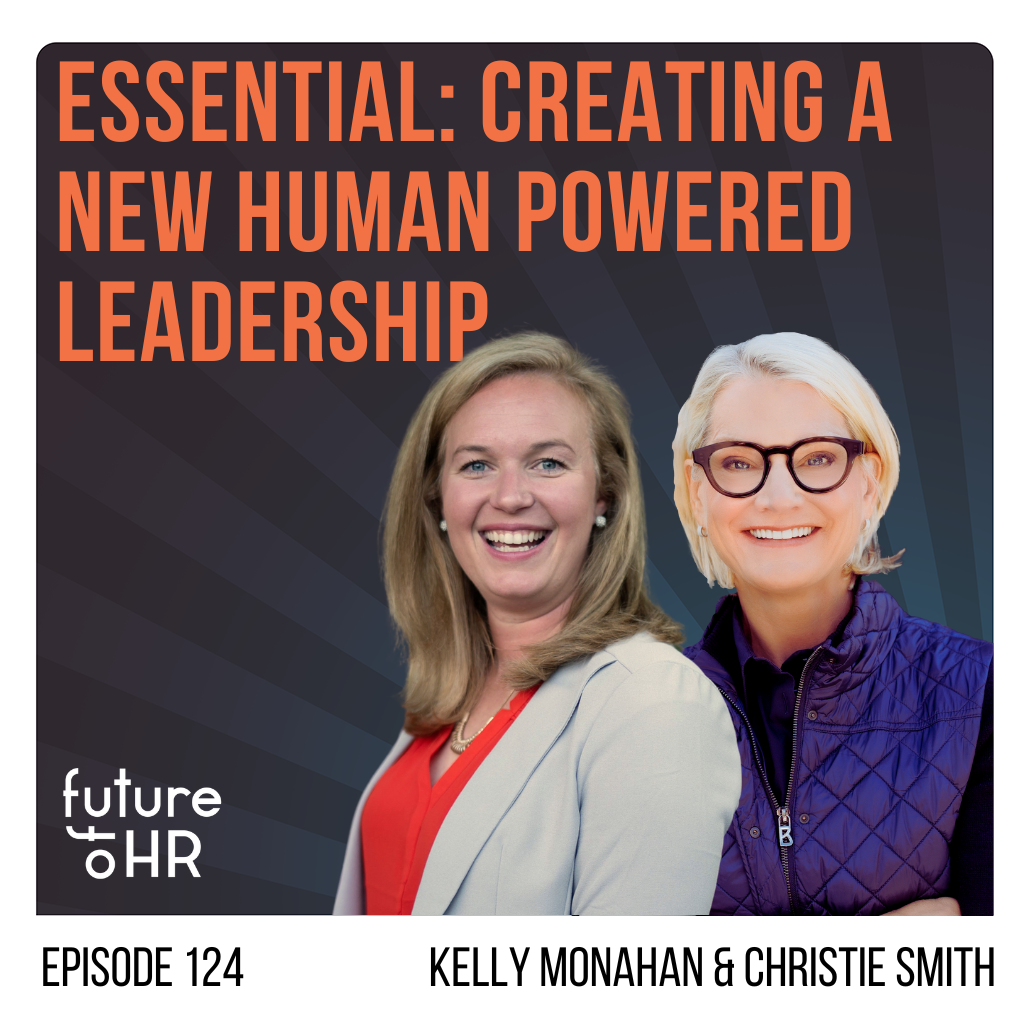
What does it mean to be an “Essential Leader” in the future of work? What is a “gray collar” job and why are they the future for many industries? My guest on this episode is Kelly Monahan, Managing Director, Research Institute @ Upwork, Christie Smith, Founder of The Humanity Studio During our conversation Kelly, Christie, and I discuss: Why designing "unicorn jobs" is hurting both candidates and organizations - and what to do instead.The rise of "gray collar" jobs jobs—a blend of white and blue-collar skills and what this means for the future of work.Why employee agency and autonomy are non-negotiable elements for building high-performing cultures in today's workplace.Why leaders need to spend more time identifying the work that needs to be done by a human and what work should be done with AIWhy “Essential Leaders” of the future will have to focus on their teams, not themselves. Connecting with Kelly and Christie: Connect with Kelly Monahan and Christie Smith on LinkedIn Learn more about their new book, Essential: How Distributed Teams, Generative AI, and Global Shifts are Creating a New Human-Powered Leadership Episode Sponsor: Next-Gen HR Accelerator - Learn more about this best-in-class leadership development program for next-gen HR leaders HR Leader’s Blueprint - 18 pages of real-world advice from 100+ HR thought leaders. Simple, actionable, and proven strategies to advance your career.
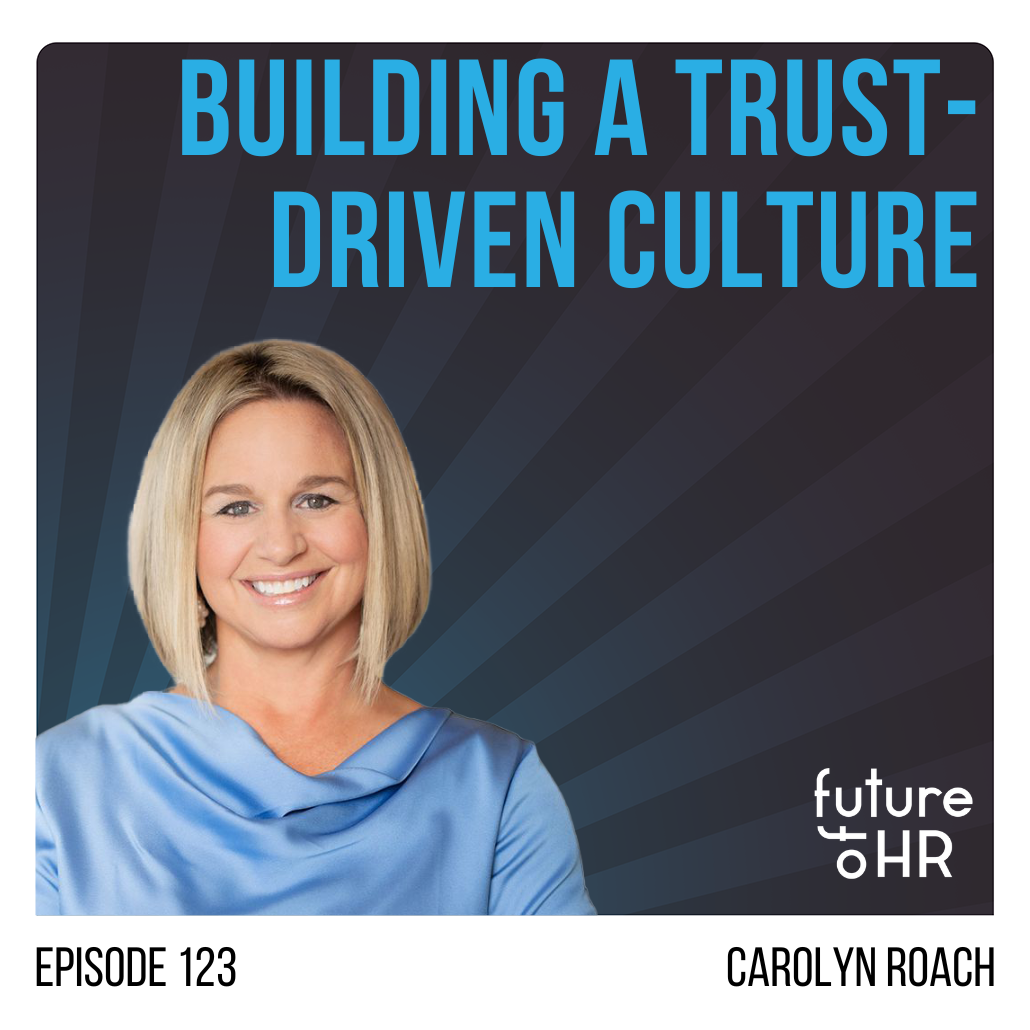
How can you build a culture where employees feel valued and heard? Why is acting on feedback critical to building trust and improving business performance? My guest on this episode is Carolyn Roach, Chief Human Resources Officer, XPO During our conversation Carolyn and I discuss: How XPO aligns its HR strategy to support and drive business strategy.Why XPO's approach to listening, actioning, building trust, and recognition creates a culture where employees feel valued and heard.How XPO translates employee feedback into concrete action plans, creating a culture where team members know their voices drive real organizational change.How XPO is leveraging communications and recognition to strengthen their company culture.Carolyn's advice to HR leaders whose organizations are undergoing transformational change. Connecting with Carolyn: Connect with Carolyn Roach on LinkedIn Episode Sponsor: Next-Gen HR Accelerator - Learn more about this best-in-class leadership development program for next-gen HR leaders HR Leader’s Blueprint - 18 pages of real-world advice from 100+ HR thought leaders. Simple, actionable, and proven strategies to advance your career.
174
ep.
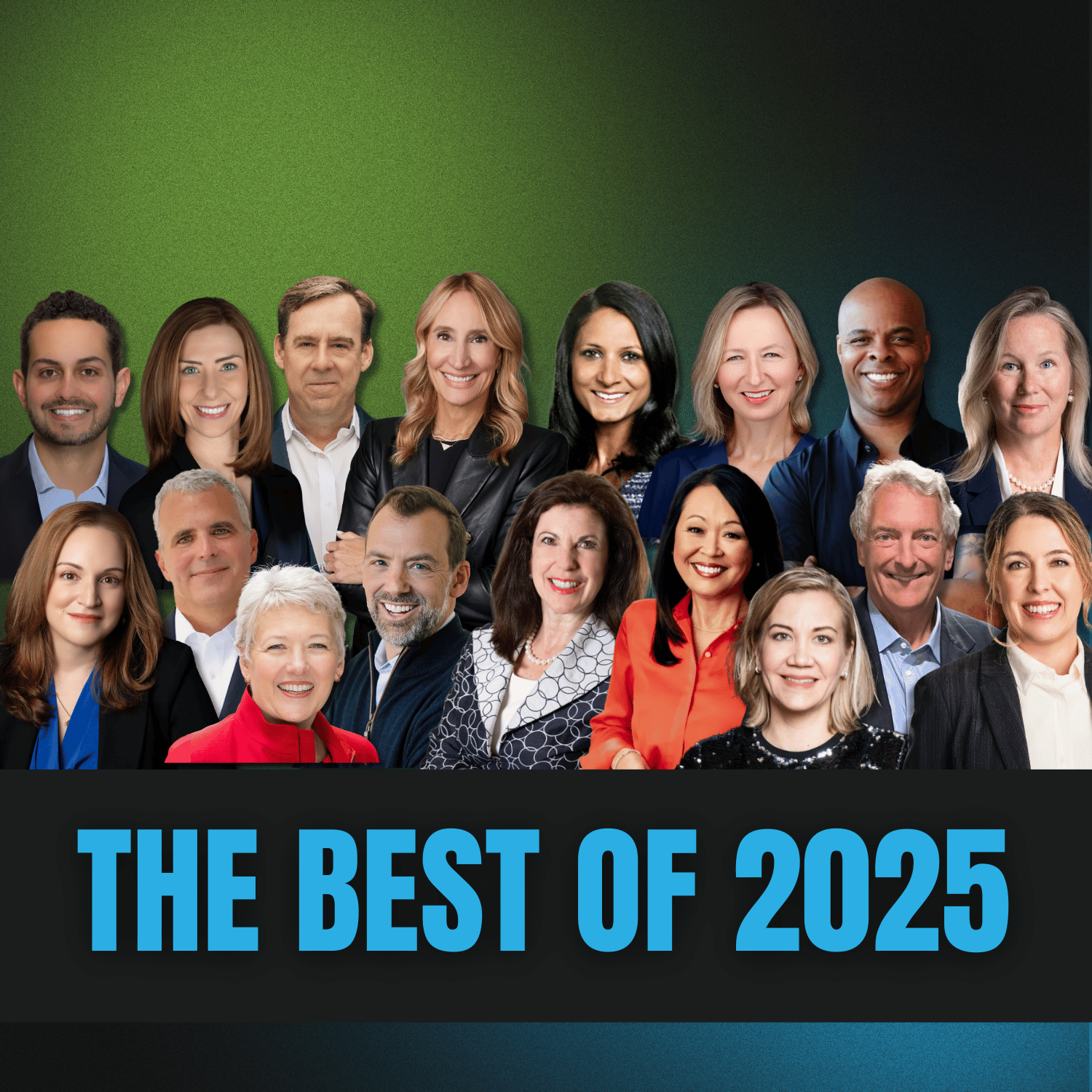
The "Best of 2025" episode features fourteen don't miss moments from HR executives and thought leaders who… So, who can you expect to learn from on this episode? Monique Herena, Chief Colleague Experience Officer, American Express Wanda Wallace, Managing Partner, Leadership Forum & Darren Overfield, EVP, Coaching & Consulting at Kaiser Leadership Solutions Riina Hellström, Founder, Agile HR Community Dave Ulrich, Partner at The RBL Group Marcia Avedon, 3X CHRO, Board Director, Human Capital Expert, and Executive Coach Lisa Chang, EVP & Chief People Officer, The Coca-Cola Company Christina Norris-Watts, Head of Assessment & People Practices, Johnson & Johnson Anita Graham, EVP & CHRO, Labcorp Christy Pambianchi, CHRO, Caterpillar Inc. Ani Huang, Senior EVP, CHRO Association & Anthony Nyberg, Director, Center for Executive Succession at University of South Carolina Brandon Sammut, Chief People & AI Transformation Officer, Zapier Tina Gupta, SVP, Talent Management, New York Life Insurance Brian Miller, Chief Talent and D&I Officer, Levi Strauss & Co Jennifer Wilson & Brad Warga, Partners and Global Co-Heads of the Human Resources Officers Practice at Heidrick & Struggles
122
ep.
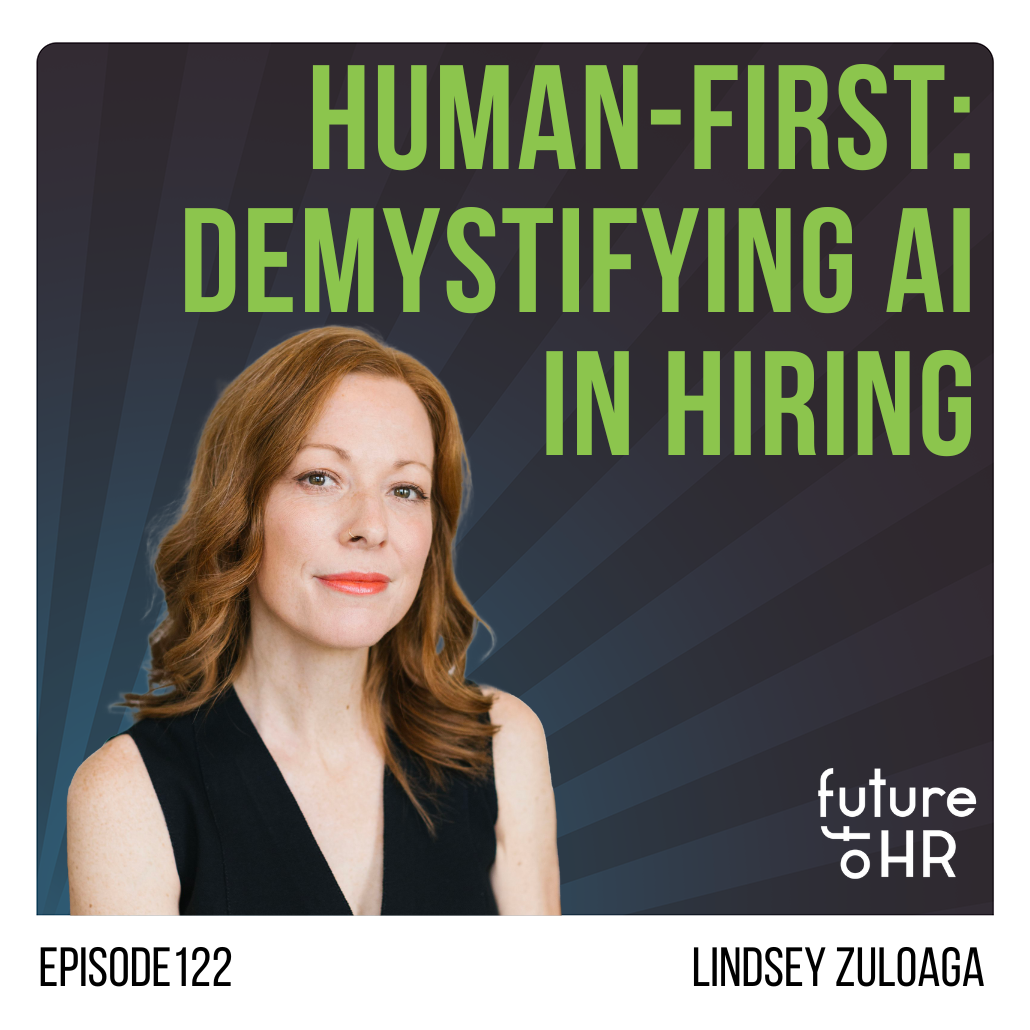
How will AI shape the future of hiring from a candidate and company perspective? How can AI to help us assess skills and human potential in the hiring process? My guest on this episode is Lindsey Zuloaga, Chief Data Scientist, HireVue During our conversation Lindsey and I discuss: Why she calls herself a techno-realist and what that means.Why it is a misconception that AI, not humans make the final hiring decisionsHow evaluating and testing AI tools can prevent falling prey to overhyped, ineffective solutions.The potential of AI to remove traditional biases in the hiring process.How focusing on potential and assessing skills over past experience can transform hiring practices. Connecting with Lindsey: Connect with Lindsey Zuloaga on LinkedIn Episode Sponsor: Next-Gen HR Accelerator - Learn more about this best-in-class leadership development program for next-gen HR leaders HR Leader’s Blueprint - 18 pages of real-world advice from 100+ HR thought leaders. Simple, actionable, and proven strategies to advance your career.
121
ep.
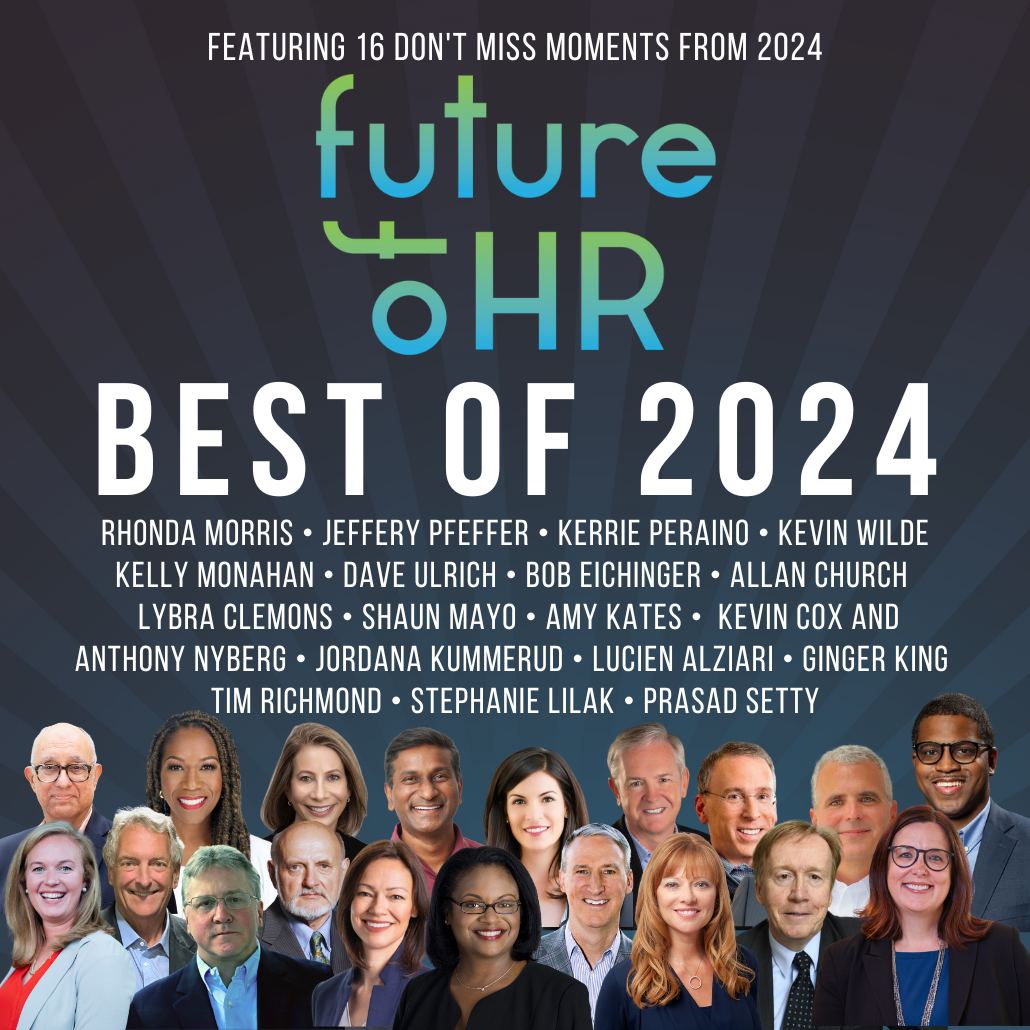
The “Best of 2024” episode features sixteen don’t miss moments from HR executives and thought leaders... So, who can you expect to learn from on this episode? Rhonda Morris, CHRO, ChevronJeffrey Pfeffer, Professor Stanford University and Author of 16 books including the “7 Rules of PowerKerrie Peraino, Chief People Officer at VerilyKevin Wilde, Executive Leadership and Talent Development Expert & AuthorKelly Monahan, Managing Director, Research Institute at UpworkDave Ulrich, Bob Eichinger, and Allan ChurchLybra Clemons, a C-Suite executive with experience leading talent, culture, and DEIShaun Mayo, Chief People Officer, Arizona Cardinals Football ClubAmy Kates, Organization Design Expert, Consultant, Educator, and Author of Five BooksKevin Cox, Founder and President of LKC Advisory & Anthony Nyberg, Director, Center for Executive Succession at University of South CarolinaJordana Kammerud, SVP & CHRO, CorningLucien Alziari, EVP and CHRO of Prudential Financial, IncGinger King, CHRO, Kohler Co.Tim Richmond, EVP & Chief Human Resources Officer, AbbVieStephanie Lilak, EVP & Chief People Officer, Mondelez InternationalPrasad Setty, Lecturer, Stanford GSB, Advisor, Former VP at Google, People Ops and Workspace Episode Sponsor: Next-Gen HR Accelerator - Learn more about this best-in-class leadership development program for next-gen HR leaders
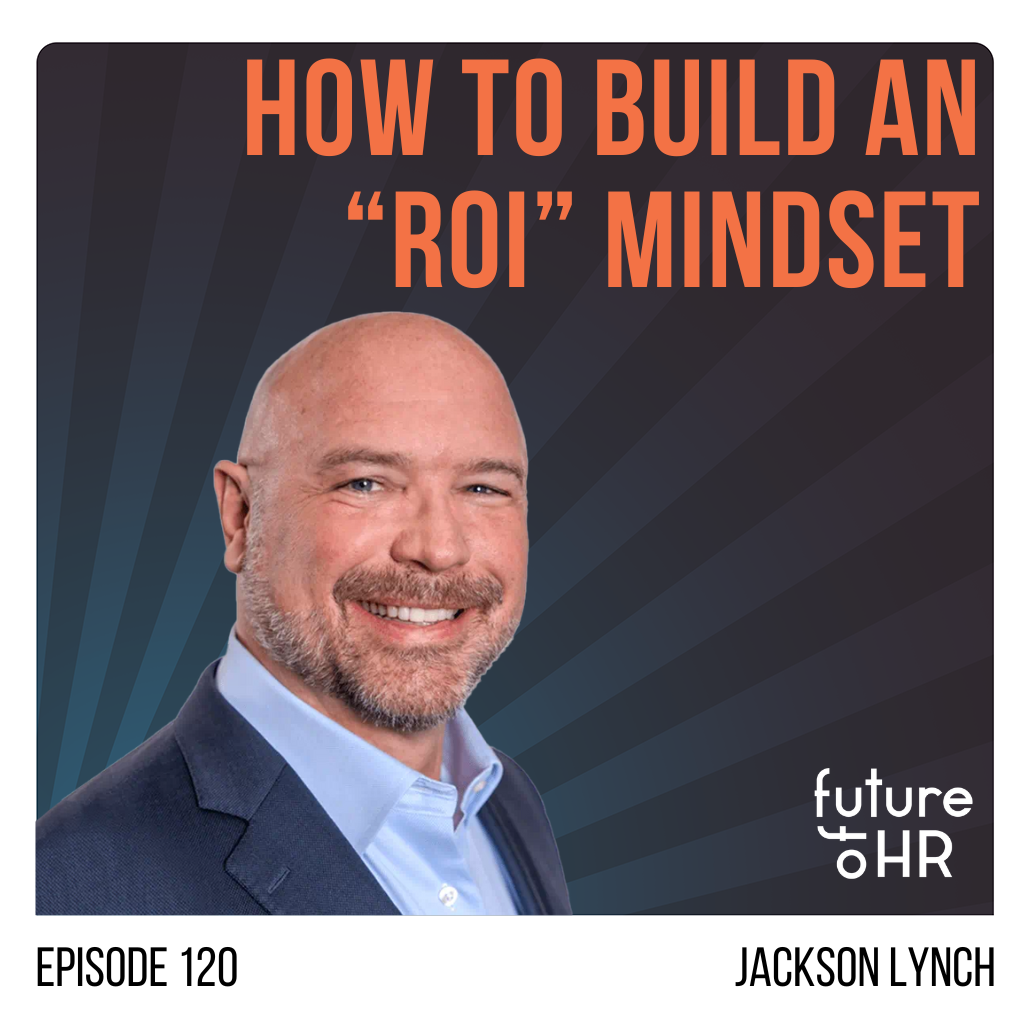
Why do HR leaders need to be talent mavens, employee advocates, and company defenders? How can you shift from a cost mindset to a return on investment mindset? My guest on this episode is Jackson Lynch, CHRO at Sunnova and founder of the “Talent Sherpa” newsletter During our conversation Jackson and I discuss: Why you need to meet the business where it is and not where you wish it would be.Why CHROs and CEOs need to be aligned on 'what good looks like' for an effective partnership.The three essential 'hats' HR leaders must wear: Talent Maven, Employee Advocate, and Company Defender.The role of business acumen in enabling HR leaders to predict outcomes and shape future work strategies.Why HR leaders need to shift from a cost to a return on investment mindset. Connecting with Jackson: Connect with Jackson Lynch on LinkedIn Learn more or subscribe to Jackson’s newsletter, Talent Sherpa Episode Sponsor: Next-Gen HR Accelerator - Learn more about this best-in-class leadership development program for next-gen HR leaders
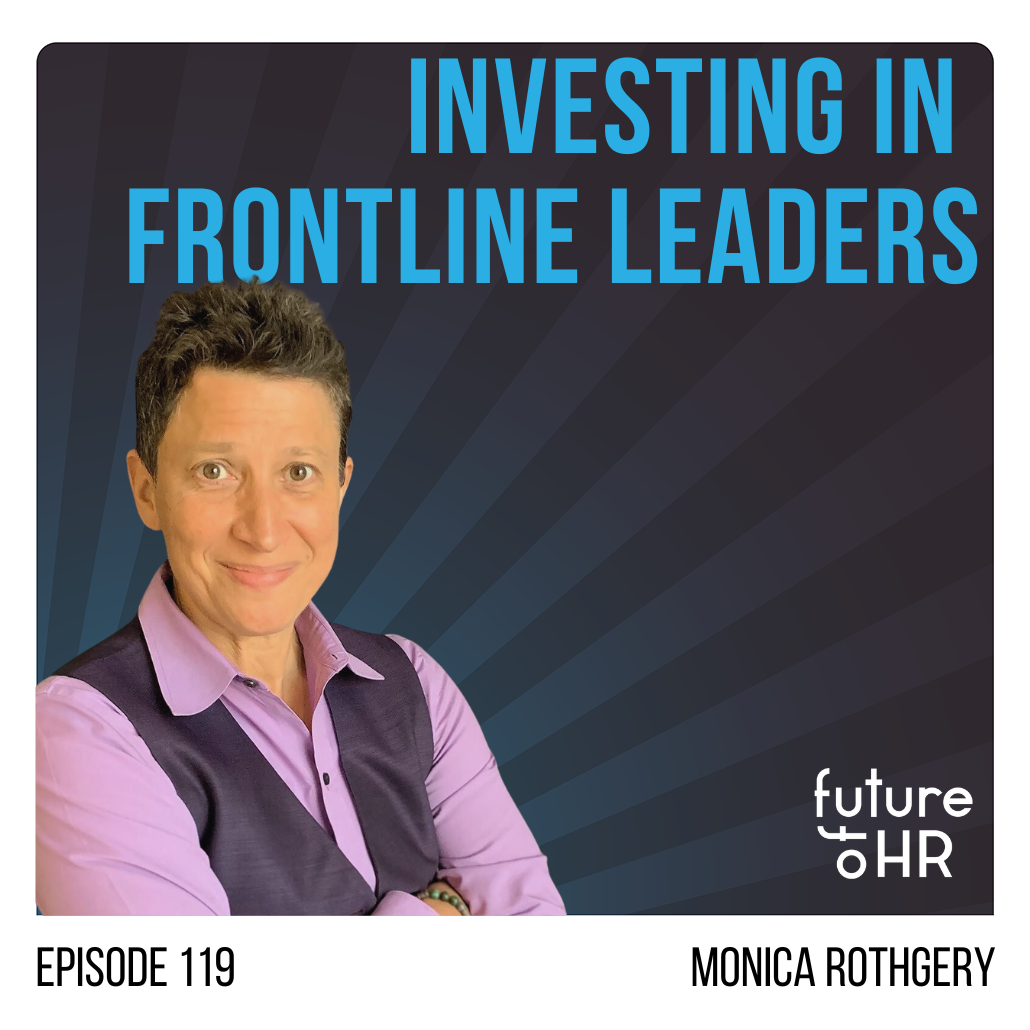
119
ep.
How can HR advocate and support their front-line leaders? Why is it a smart investment to develop your front-line leaders and team members? My guest on this episode is Monica Rothgery, Friend of the Frontline Leader, Speaker and Author of “Lessons from the Drive-Thru.” During our conversation Monica and I discuss: Monica's unique career journey at Yum Brands, progressing from restaurant manager to training leader to Chief Operating Officer for KFC in Thailand and the U.S.Her mission to help elevate, support, and develop front-line leaders across the worldThe importance of organizations developing management training programs that emphasize leadership, decision-making, and team empowermentThe critical role of face-to-face training and mentorship for frontline leadersHow HR leaders can ensure frontline leaders' voices are heard, even when they are not in the room. Connecting with Monica: Connect with Monica Rothgery on LinkedIn Learn more about Monica and her work elevating front-line leaders Episode Sponsor: Next-Gen HR Accelerator - Learn more about this best-in-class leadership development program for next-gen HR leaders
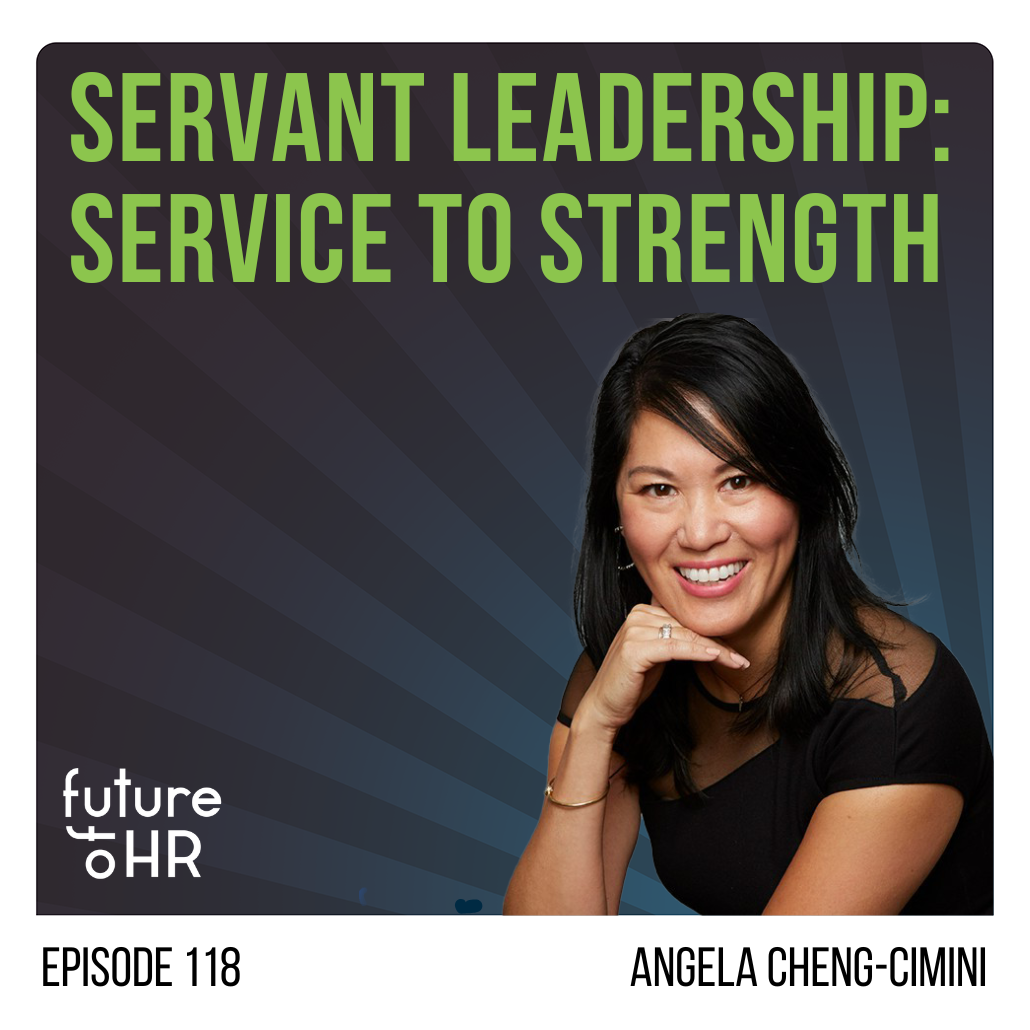
How can you balance the three roles of being an HR leader? What does it mean to be a servant HR leader? My guest on this episode is Angela Cheng-Cimini, CHRO, Board Director, AAPI Champion, & Keynote Speaker During our conversation Angela and I discuss: How Angela transformed an experience early in her career into a lifelong leadership lesson.Why she believes the best HR leaders are technical experts, business focused and change agents.Her vision for "hyper-personalization" in employee experiences and how HR can practically implement this.Why she is passionate about paying it forward and helping others in their careers. Connecting with Angela: Connect with Angela Cheng-Cimini on LinkedIn Episode Sponsor: Next-Gen HR Accelerator - Learn more about this best-in-class leadership development program for next-gen HR leaders
Listen on your favorite podcast app
















Future of HR © 2025
The HR Leader’s Blueprint
Fast track your HR leadership journey
18 pages of real-world advice from 100+ HR thought leaders.
This guide delivers exactly what you need to know about building influence, driving business results, and accelerating your HR leadership career.
